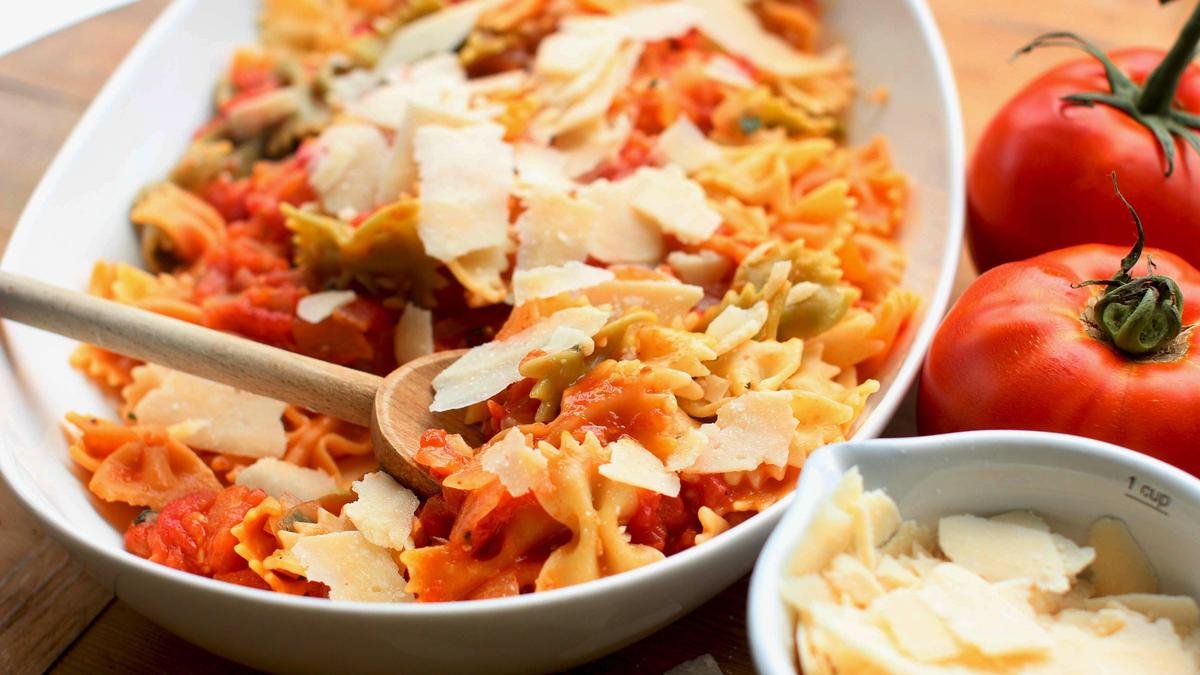
AI chatbots are now capable of customising recipes to help cooks turn random ingredients into hearty dishes. OpenAI’s ChatGPT boiled down a recipe for Spaghetti al Pomodoro into a step-by-step illustrated guide that even a child cook could understand. Google’s Gemini analysed a photo of overly soupy cookies in the oven and suggested turning the disaster into one giant “Pizookie” — a pizza-shaped cookie — to crumble over ice cream. Microsoft, in a blog, encouraged its users to try creating recipes with its Copilot AI.
Unlike many human-made food blogs and cooking videos, recipes crafted by AI swap ingredients or allergens for healthier alternatives, translate instructions into the cook’s native language, plan meals that include cheap and local ingredients, convert measurements into familiar units, and accommodate for the cook’s disabilities and learning limitations.
But can AI meet the standards of experienced cooks?
A dish by Chennai-based Ganesh Nandhakumar
| Photo Credit:
Ganesh Nandhakumar
Learning cooking vs learning recipes
Chennai-based Ganesh Nandhakumar, 26, shares cooking videos on Instagram. His Reels videos, ranging from traditional South Indian recipes to no-oven Crème brûlée and kettle-steamed Chinese sponge cake, go out to over 145,000 followers. He is firm about using affordable ingredients and tools available in most Indian households.
While Mr. Nandhakumar experiments with Generative AI to research and analyse new recipes, his knowledge of culinary history helps him spot areas where the machine makes a mistake by generating incorrect information about Indian regional recipes.
“I take ideas from it. I generate it — I don’t use it. It’s like brainstorming,” he said, noting that the AI data is “poisoned.”
Mr. Nandhakumar focuses on easily available and affordable ingredients to make hearty meals
| Photo Credit:
Ganesh Nandhakumar
“My creativity works very well when it’s contradicted,” he added.
He says Generative AI lacks sensory capabilities and sensitivity in its answers, and calls it a “stupid friend,” rather than a co-creator.
While he is not against Gen AI technology, he stressed that he films his own cooking videos as he enjoys cooking and shooting videos.
“If it’s not sincere, people will smell it,” he said. “I hate people who underestimate the audience.”
Testing the taste
Most dishes that we make at home or buy at restaurants are time-tested. They have been fine-tuned to perfection over generations. But AI-generated recipes are experiments. They may work well with experienced cooks who are skilled at mixing and matching ingredients that will make foodies salivate. But, in the hands of an amateur in the kitchen, those same recipes may turn out to be disasters.
And learning to cook based on untested, AI recipes could turn people away from the kitchen as they wrongly associate the problem with a supposed lack of cooking skills.
Mr. Nandhakumar said he doesn’t follow recipes or stick to measurements when he cooks, and noted that there is a difference between cooking intuitively and following instructions.
Mr. Nandhakumar grew up enjoying the meals prepared by his mother, his grandmother, and his sisters
| Photo Credit:
Ganesh Nandhakumar
Feeding the heart
AI recipes do not exist in a vacuum. These untested blends are derived from the original sources, and extracted from their creators’ detailed notes, cultural context, and personal memories.
People share recipes on social media for far more pressing reasons than using up leftover ingredients or providing weekday dinner inspiration. For example, Chef Yasmin Nasir teaches Palestinians, battling an Israel-inflicted famine, to turn stale ingredients into nutritious meals. Dietician Kylie Sakaida shares healthy food preparation strategies to critique diet fads that can trigger eating disorders.
Meera Boby, a working professional in her fifties, learned baking to fulfill her child’s requests for “exotic” treats. She started baking plum cakes during Christmas time and found that they were a big hit. She sold 50-60 kilograms of cake during the festive season, and even baked eggless plum cakes for pastry lovers who wanted a lacto-vegetarian option. Now, the preservative-free plum cake that she makes is her favourite. Even those who dislike plums, like it, she explained.
Such stories show how unique recipes are created and cherished.
Mrs. Meera said she may consider trying out AI for her recipe needs in the future.
“But I will definitely look for the trusted persons’ recipes as well,” she clarified.
Meera Boby learned baking to fulfill her child’s requests for “exotic” treats and is now known amongst friends for her plum cakes
| Photo Credit:
The Boby Family
Mr. Nandhakumar, meanwhile, grew up enjoying the meals prepared by his mother, his grandmother, and his sisters. He explained that class, caste, and climate conditions shape one’s memories of food. That, in turn, affects how people choose ingredients when they cook as an adult.
“Having a very good relationship with your food makes your life good, and I think in turn you will be kind to others and you’ll be lovable to others, and maybe if we all collectively do that the world will be a much better place,” he said.
At a Glance: AI-generated recipes
Pros:
Instantly creates a customised recipe to use up the ingredients you have at home, thus reducing the need to shop often
Generated recipes can be easily tweaked in order to accommodate restrictions or dietary needs
Image analysis allows chatbots to provide instant feedback and fixes in case of cooking mistakes or doubts
Cons:
Recipes are not checked by experienced cooks and may not meet basic food hygiene/safety or taste standards
AI recipes strip away the human experience of encountering diverse cooks and learning about new cultures through recipes
Over-reliance on AI recipes may hold back one’s ability to grow both as a cook and a reader
Published – June 10, 2026 02:48 pm IST