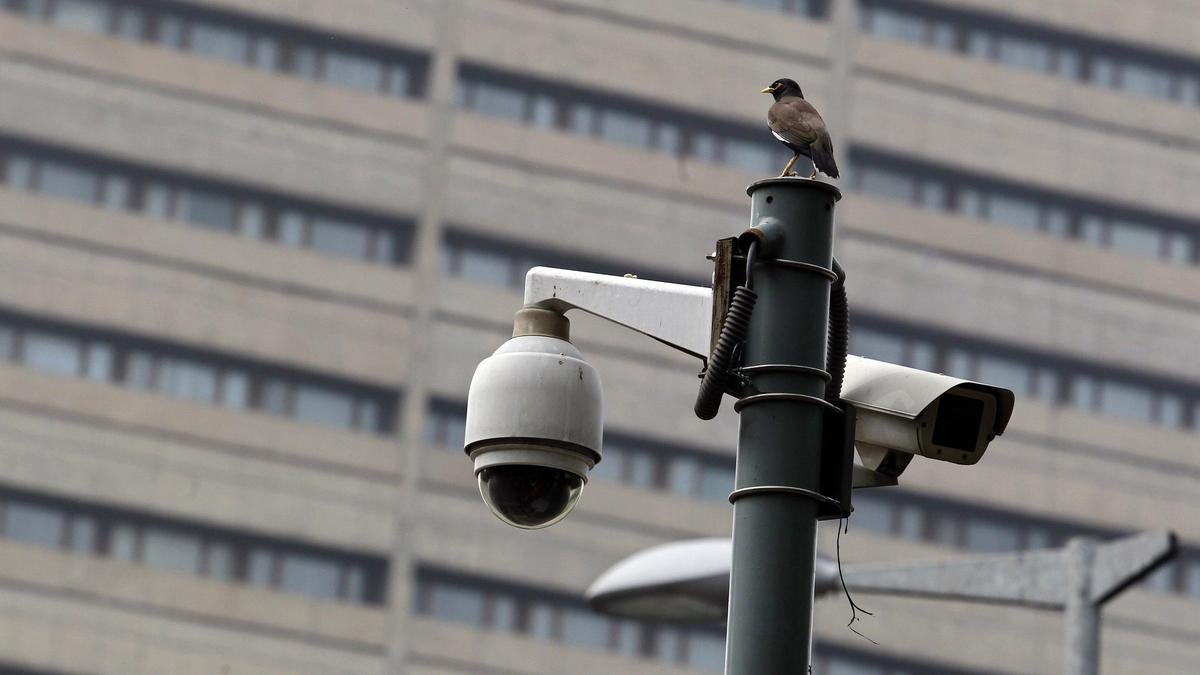
With new standardisation rules, CCTV companies can now compete fairly: Qubo CEO
| Photo Credit: REUTERS
As new certification standards laid out by the Standardisation Testing and Quality Certification (STQC) framework kicked in starting April 1, 2026, non-compliant internet-connected closed-circuit television (CCTV) cameras won’t be sold in India anymore. Per the framework, CCTV devices must use secure chips from trusted sources and have properly-tested firmware with high levels of encryption.
CCTV makers must also disclose the country of origin of key components, including chipsets and compulsory testing of devices for vulnerabilities that could enable unauthorised remote access. It is being done to regulate concerns and address cybersecurity risks for the surveillance devices which are available at homes, offices, critical infrastructure and government offices. CCTV makers were given a two-year transition period to adapt.
“New imports were restricted earlier itself. Vendors were allowed to sell existing inventory for some time, but that window has now closed. After March 31, even old stock cannot be sold if it does not meet the required standards,” said Nikhil Rajpal, CEO, Qubo.
The issue is not limited to where the servers are located. “The regulation also focuses on trusted silicon and firmware used in the devices. Hardware components and the software stack must come from trusted supply chains because chips themselves can contain vulnerabilities or backdoors,” Mr. Rajpal said.
The Hero-owned smart devices company says that they had already designed their products to meet these security standards, including stronger encryption and better chipsets.
Earlier, cheaper imported products that did not follow these standards were undercutting the market. With the new rules, companies that meet the security requirements can compete fairly, Mr. Rajpal said.
Qubo has its data hosted in servers based in Mumbai. “The operating system running on Qubo devices is developed by our team in Noida. Manufacturing happens in Tirupati and Noida, while some components come from global suppliers.”
“Importantly, the video feed is end-to-end encrypted: from camera to the cloud and then to the user’s app. Only the user’s app can decrypt the feed. Even we cannot access a customer’s camera feed,” said Mr. Rajpal.
India is still at a very early stage of smart home devices adoption, feels Mr. Rajpal. Less than 2–3% of homes currently use cameras, and the potential is very large. Over the past year, Qubo has scaled their camera business by 10x, and said there is still significant room to grow.
This also creates an opportunity for Indian companies to become globally competitive. We have already entered markets such as Dubai and Saudi Arabia and are evaluating other international markets as well, added Mr. Rajpal.
Even after the new regulations, Mr. Rajpal says that the current regulations mainly address chips and firmware, but cloud infrastructure is not yet covered. “The next step could be ensuring that cloud platforms used for surveillance data also meet similar trust and security standards.”
Published – April 07, 2026 02:57 pm IST