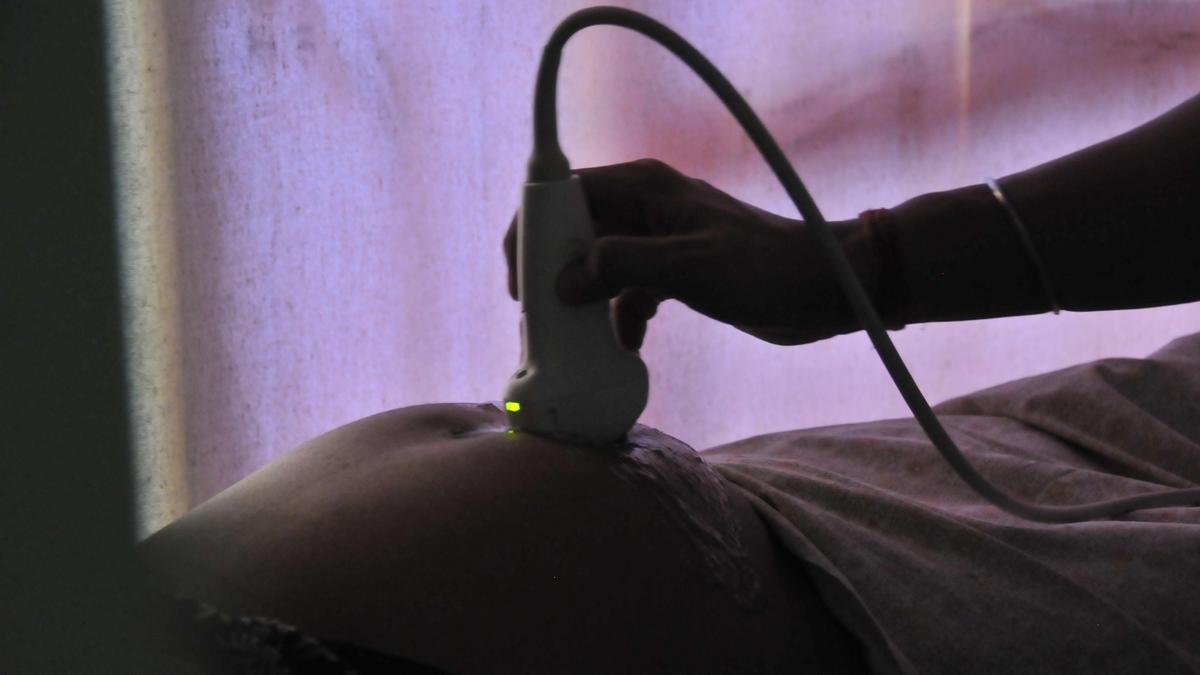
Hypertensive disorders during pregnancy continue to be among the leading causes of maternal and foetal complications globally. According to the World Health Organization, hypertensive disorders affect nearly 5-10% of pregnancies worldwide and remain a major contributor to maternal and newborn illness and mortality. In India, studies estimate the prevalence of hypertensive disorders of pregnancy at around 7.8-11%, among the highest globally, with conditions such as gestational hypertension, preeclampsia and eclampsia contributing significantly to maternal and neonatal complications.
Suchismitha Rajamanya, lead consultant, head of Internal Medicine, Aster Whitefield Hospital, said recent global estimates indicate that the burden of hypertensive disorders in pregnancy is gradually rising due to increasing obesity, diabetes, stress and delayed pregnancies. “Maternal hypertensive disorders remain a major pregnancy-related health concern worldwide. Early identification and close monitoring are critical because these conditions can affect both the mother and baby if left untreated,” she said.
Hypertensive disorders in pregnancy
Doctors classify maternal hypertensive disorders into multiple categories depending on when the blood pressure elevation develops and whether organ involvement is present. Mahadevan V., senior consultant, interventional cardiology and diabetology, Kauvery Hospital, said chronic hypertension refers to women who already have hypertension before pregnancy or during the early weeks of gestation. Gestational hypertension develops after 20 weeks of pregnancy without proteinuria or major organ dysfunction.
Preeclampsia is diagnosed when elevated blood pressure is associated with proteinuria or evidence of organ dysfunction. Eclampsia is the severe form in which preeclampsia progresses to seizures and may also involve liver dysfunction, low platelet count and haemolysis. WHO estimates that preeclampsia alone affects nearly 3-8% of pregnancies globally and continues to rank among the leading causes of maternal mortality, preterm birth and low-birth-weight infants in several countries. Chronic hypertension with superimposed preeclampsia is another important high-risk category.
Jaishree Gajaraj, head of Varam and senior consultant in Obstetrics and Gynaecology , MGM Healthcare, said hypertension secondary to kidney disease is also seen in younger women, while pregnancy-induced hypertension remains the most commonly encountered form.
Major risk factors
Niveditha Bharathy K., senior consultant obstetrician, gynaecologist, Apollo Speciality Hospitals, noted the risk of developing hypertension during pregnancy increases in women with obesity, diabetes, kidney disease, thyroid disorders or pre-existing hypertension.
The causes can broadly be grouped into pre-existing maternal conditions, pregnancy-related factors, family history and lifestyle-related factors. “In pre-existing maternal risk factors, diabetes, hypertension, obesity, kidney disorders, autoimmune diseases and thyroid disorders can be included. First-time pregnancy, twin or multiple pregnancies and a previous history of hypertension during pregnancy also increase risk,” she said.
Rashmi N., consultant, obstetrician and gynaecologist, Motherhood Hospitals, explained the lifestyle-related factors including poor nutrition, excessive salt intake, sedentary lifestyle, smoking and inadequate prenatal care to be major contributors. Maternal age below 20 years or above 40 years, assisted reproductive technology pregnancies and excessive weight gain during pregnancy are also associated with a higher risk.
Dr. Gajaraj said gestational diabetes and obesity before conception are increasingly contributing to higher-risk pregnancies. Studies also suggest the prevalence of hypertensive disorders during pregnancy may be close to 11%, highlighting the growing burden in maternal healthcare.
Symptoms and warning signs
Doctors caution that preeclampsia may sometimes progress without obvious symptoms, making routine antenatal monitoring essential. Symptoms requiring urgent medical evaluation include persistent severe headache, visual disturbances, swelling of the face or hands, sudden weight gain, upper abdominal pain, nausea, vomiting, breathlessness and reduced urine output.
Dr. Niveditha said reduced foetal movements may also indicate worsening maternal complications .“One of the biggest dangers of preeclampsia is that it can begin with mild symptoms or sometimes none at all. That is why regular antenatal check-ups are extremely important,” Dr. Suchismitha Rajamanya said. She added that seizures, confusion or fainting in the setting of severe hypertension require immediate emergency medical care.
Seizures occurring in the setting of hypertension and proteinuria indicate eclampsia, which is a medical emergency.
Maternal and foetal complications
Uncontrolled hypertension during pregnancy can lead to significant maternal and foetal complications.
Maternal risks include eclampsia, stroke, acute kidney injury, pulmonary edema, liver dysfunction, placental abruption and increased likelihood of cesarean delivery. Severe hypertension may also lead to complications such as brain bleeds, respiratory failure, transient vision loss and long-term damage to organs including the kidneys and liver.
For the foetus, reduced placental blood flow may result in foetal growth restriction, low birth weight, preterm birth, NICU admission and increased perinatal mortality risk.
Doctors also noted that placental abruption and severe foetal growth restriction may sometimes lead to foetal death in severe cases. Data show hypertensive disorders remain among the major causes of maternal mortality worldwide.
Additionally, women who develop hypertensive disorders during pregnancy may face higher long-term cardiovascular risk later in life, including chronic hypertension, ischemic heart disease and stroke.
Screening, prevention and management
Doctors said routine antenatal care remains the most effective approach for early detection and management. Regular blood pressure monitoring, urine protein testing, blood investigations and fetal growth assessments are essential during pregnancy.
Dr. Gajaraj said first-trimester screening tests can help identify women at higher risk of developing preeclampsia before 34 weeks of gestation. In women identified as high-risk, low-dose aspirin may be initiated early in pregnancy as a preventive strategy.
Doctors stressed that timely treatment of severe hypertension and appropriate delivery planning remain critical to improving maternal and neonatal outcomes.
Published – May 17, 2026 02:16 pm IST