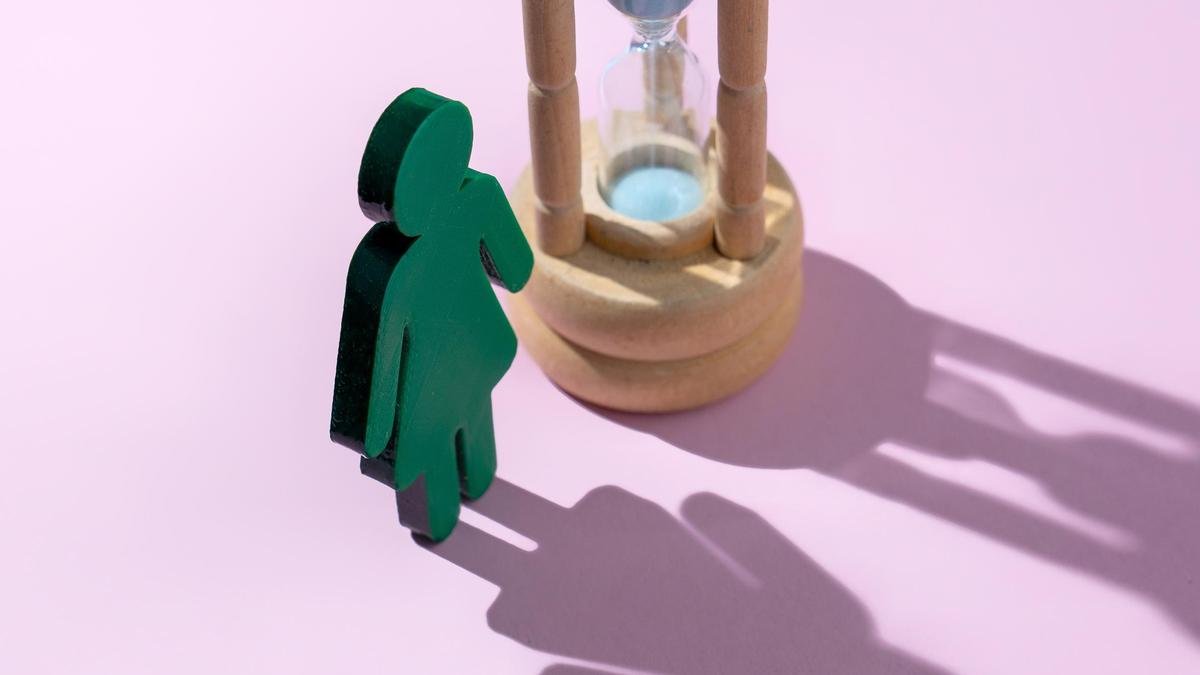
Moody’s said population growth has long been a tailwind for economic growth and creditworthiness, but falling fertility is now changing that picture.
| Photo Credit: GettyImages/iStockphoto
India is likely to have a much older population later this century, as the country’s age structure is beginning to shift and fertility has fallen “below replacement,” Moody’s Ratings said on Tuesday (September 29, 2026).
Moody’s said population growth has long been a tailwind for economic growth and creditworthiness, but falling fertility is now changing that picture.
Fewer workers will limit productive capacity, while fewer households and consumers will weaken demand. As a result, countries will have to rely more on productivity to sustain growth.
Moody’s said the global fertility rate had declined from 4.9 children per woman in 1950 to about 2.2 today, only slightly above the replacement rate of 2.1.
“What makes this episode particularly significant is that many of the world’s largest economies are ageing at the same time. In fact, more than 70% of the world’s population now lives in countries with fertility rates at or below replacement level,” Moody’s said in a report on global demographics.
It said fertility rates across much of Latin America were now comparable to those of Europe and Japan, while several East Asian countries had some of the lowest fertility rates ever recorded.
Japan has the most top-heavy population structure, with nearly 30% of its population over 65 and about 11% under 15.
South Korea is close behind, while China is moving rapidly in the same direction. Emerging markets, including Brazil, India, Thailand and Türkiye, are also progressing along the same path.
“Although India’s population remains relatively young, fertility has already fallen below replacement and the country’s age structure is beginning to shift, setting the stage for a much older population later this century,” Moody’s said.
Declining fertility ultimately reshapes age structures as well as population growth, it said. Countries experiencing the steepest fertility declines today will also age most rapidly in the coming decades.
Published – September 30, 2026 11:26 am IST